An unopened package and a product that has already been opened are not necessarily in the same conditions. Once opened, exposure and storage practices may change. Instructions for use should therefore be designed alongside the product assessment rather than adopting generic directions out of habit.
The second part of EFSA’s guidance on date marking addresses storage and consumption information after opening. This approach calls for an assessment of the conditions that can change when packaging is no longer intact.
A question for product development
The project team can consider how the product will be portioned, resealed and stored. Format and dispensing method can influence actual use. Assessments and any tests must be entrusted to people with the technical expertise required for the specific product.
A hypothetical example compares a single-serving package with a format intended for several uses. The quantity sold may be similar, while what happens after opening differs. Price per unit of weight alone does not describe the full experience.
Making instructions clear
Clear storage and use instructions help consumers and support complaint management. No universal times or temperatures are proposed here: they must follow from an assessment of the individual food. The economic question is how the commercial format meets actual use, avoiding a situation in which a package that is economical to buy results in a greater share of unused food.
Sources and editorial transparency
Technical reference: EFSA, Guidance on date marking, part 2 (food information), 2021. Accessed 24 October 2026. Examples and management considerations are editorial analysis, not results of field tests.
Original article prepared with AI assistance. Technical and regulatory guidance should be read in the context of the source and the specific process.
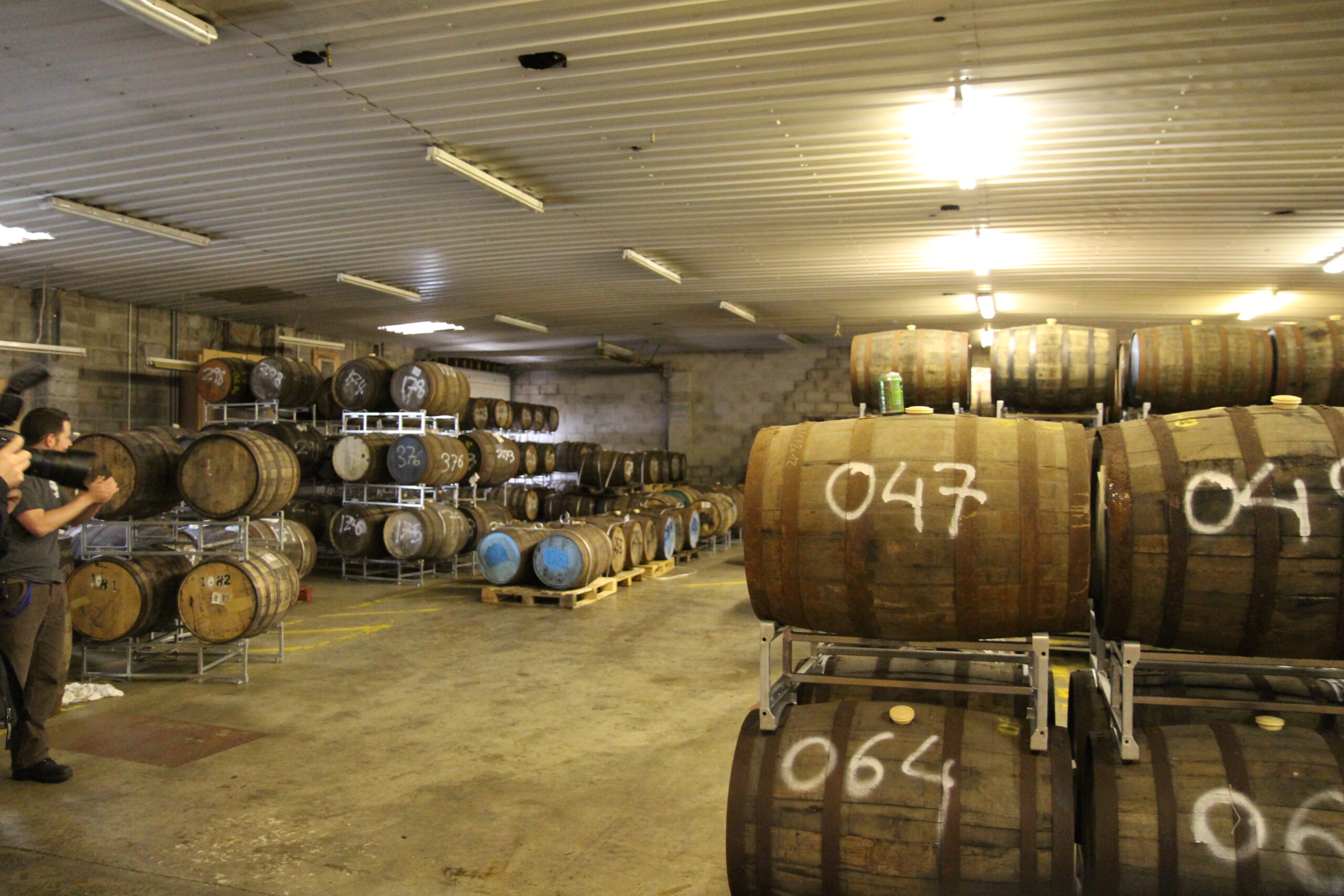
Illustrative photograph: Brewdog Brewery interior – kegs.jpg, Reuben Gray; CC BY 2.0. Display adapted to the page format; photo licence unchanged.

Italian original published 24 October 2026; English translation published 10 November 2026.