
Toxins produced by Alternaria moulds are back in focus in the European assessment of food safety. On 11 November 2026 the European Food Safety Authority (EFSA) published an update to its 2011 scientific opinion, examining eight toxins, occurrence data and estimates of exposure in people and animals. For agricultural processors, the findings underline the importance of knowing incoming materials and the quality of available data.
What EFSA assessed
Alternaria toxins are substances produced by moulds that can contaminate food and feed. EFSA’s CONTAM Panel examined alternariol (AOH), alternariol monomethyl ether (AME), altenuene, altertoxins I and II, stemphyltoxin III, tenuazonic acid and tentoxin. The opinion was adopted on 30 September and published on 11 November 2026 at the European Commission’s request.
EFSA concluded that five of the eight substances assessed are genotoxic, meaning they can damage DNA. For AOH and AME, estimated mean chronic dietary exposure exceeded, for most population groups, the threshold of toxicological concern used for potentially DNA-reactive mutagenic or carcinogenic substances. The assessment also highlights important gaps: occurrence data for three other genotoxic substances were insufficient to apply the same approach.
Occurrence, exposure and risk are different
Tenuazonic acid (TeA) was the Alternaria toxin most frequently found in food, particularly mulberries, paprika powder and processed tomato products. EFSA says available evidence does not permit a firm conclusion on its genotoxicity. For non-genotoxic effects, the agency concluded with 98% certainty that dietary exposure would not exceed the reference threshold considered.
For altenuene and tentoxin, estimated exposure was below the thresholds used in the assessment, making adverse effects unlikely at current levels. These conclusions apply to different substances. The presence of mould or mention of a food in the opinion does not prove that an individual batch is contaminated, and does not itself constitute a product recall.
Which supply chains to examine
Foods contributing most to estimated exposure included cereal-based foods, fruit and juices, tomatoes, other vegetables, and olive and sunflower oils. Infants and young children generally had the highest estimated exposure relative to body weight. These are dietary estimates, not safety rankings of individual brands.
For manufacturers and processors, a useful response starts with mapping raw materials, suppliers and points where vulnerabilities may emerge. Sampling plans and tests should be designed by competent specialists for the product, available methods and applicable requirements. Comparing results for different substances as though they were interchangeable can lead to misleading conclusions.
Turning data into decisions
The opinion is a scientific assessment; it does not automatically introduce new legal limits. For businesses, the distinction is practical: check existing requirements and any regulatory updates, document provenance and analytical results, and decide how an abnormal finding will be handled before it becomes a supply or communication issue. Greater precision will also depend on the additional data recommended by EFSA.
Sources: EFSA, update on the Alternaria toxin risk assessment, 11 November 2026; EFSA Journal, updated scientific opinion. Related reading: shelf life after opening.
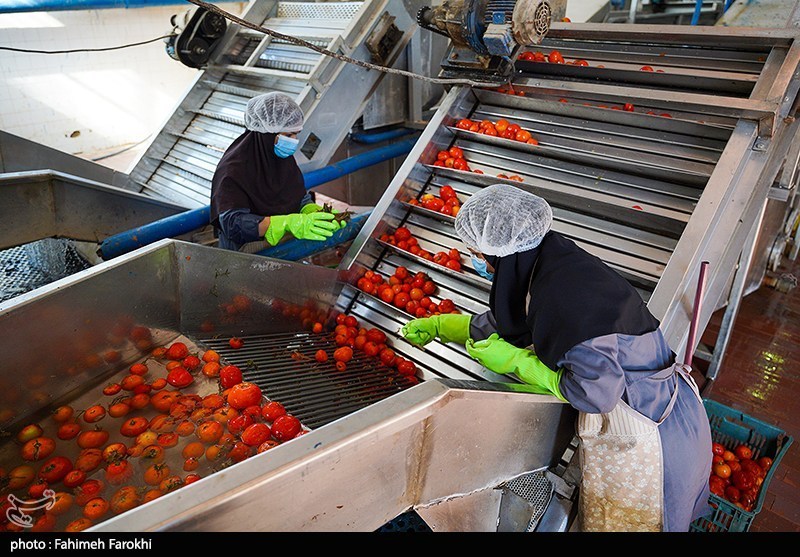
Illustrative photograph: tomato sorting at a processing facility in Iran in 2025; this is not a batch examined by EFSA. Photo Fahimeh Farrokhi / Tasnim News Agency, via Wikimedia Commons, CC BY 4.0.

Article prepared with AI assistance and editorial verification of sources.
← More articles