
A sensor can record thousands of readings during a journey. The system creates value only when that information reaches the right people in time. Someone must be responsible for evaluating anomalies and have the context required to decide what to do with the product.
The FAO-UNEP report on cold chains highlights the importance of an effective and sustainable refrigerated supply chain. Monitoring technology must fit into that wider organisation.
Design the alert pathway
Before purchasing equipment, define data availability, recording intervals, communications coverage and how to manage periods without a signal. Placement and suitability of the device also need assessment for the intended use. A measurement should not be interpreted beyond what it represents.
One illustrative example distinguishes recording a journey for later review from sending an alert that allows intervention during transport. They require different organisations and costs; the second does not automatically follow from the first.
Test the complete service
A pilot should cover data receipt, event assessment and availability of evidence to the recipient. Useful measures include handled alerts, response times and unexplained cases. For a business, the criterion is the quality of decisions enabled: a connected device does not replace food safety procedures, but can supply more timely information if the process is designed to use it.
Sources and editorial transparency
Technical reference: FAO · Sustainable food cold chains, presentation of the 2022 report, accessed 24 October 2026. Examples and management observations are editorial analysis, not field-trial results. Prepared with AI assistance. Technical and regulatory guidance should be read in context. Italian original published 24 October 2026; English translation published 19 November 2026.
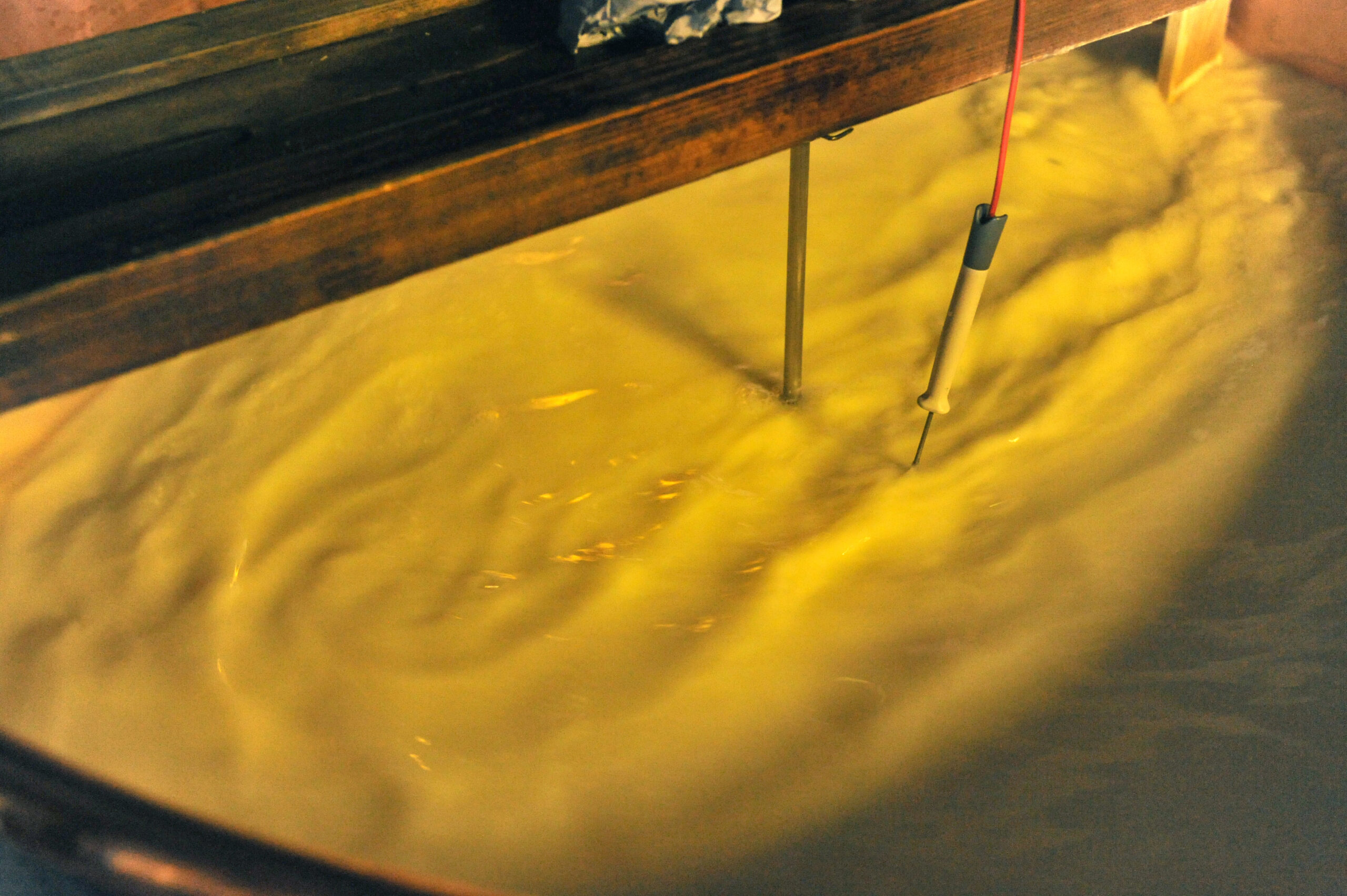
Illustrative photograph: measuring milk temperature during cheesemaking. Thierry Wagner / Wikimedia Commons; CC BY-SA 3.0. Display adapted to the page format.
