Replacing an electric motor begins with measuring what the system needs to do, not with a catalogue. Operating hours, load, control and maintenance affect economic benefits alongside the efficiency class. The International Energy Agency’s Energy Efficiency 2026 report, published on 23 November, brings industrial equipment and the policies improving its performance into focus.
The IEA’s picture
According to the agency, more than 80 countries have introduced minimum energy performance requirements for electric motors. The report notes differences between markets and equipment classes: IE categories identify efficiency levels, but an international summary does not replace checking the rules applicable to a specific motor and its placement on the market.
The IEA estimates global primary energy intensity will improve by nearly 3% in 2026, compared with about 2% in 2025. This is an estimate for the world economy, not a saving available to each factory. The agency cautions that the result reflects both structural improvements and forced energy reductions and changes in activity caused by the energy crisis.
From component to system
A more efficient motor reduces losses in converting electricity to mechanical energy, but the final outcome also depends on the driven machine and actual conditions. Comparing alternatives requires appropriate output and efficiency data, annual hours, load profile, electricity cost and installation cost. An oversized motor or one used for few hours may have a different return from that suggested by its nameplate alone.
Pumps, fans and compressors should be assessed as systems: sizing, transmission, control, operating conditions and maintenance can all change consumption. For variable loads, a variable-speed drive may help when the process allows it; it is not a universal guarantee of savings. This connects with our analysis of pump drives, available in Italian.
A credible business comparison
The plan should include purchase, required downtime, electrical and mechanical adaptations, maintenance and spare-parts availability. Energy benefits can be estimated by comparing existing consumption with the expected alternative for the same service, using explicit assumptions on load and hours. Multiple scenarios are useful when production and energy prices are uncertain.
After installation, comparable measurements and production-volume data help separate technical savings from fluctuations in activity. The IEA’s industrial energy management report stresses the value of a systematic and continuing approach: a robust decision is one that can be verified over time, not just justified at purchase.
Sources and editorial transparency
IEA, Energy Efficiency 2026, 23 November 2026, end-use sectors chapter; IEA executive summary; IEA, Energy Management for Industry, 2025. Business observations are editorial analysis. Prepared with AI assistance and source verification.
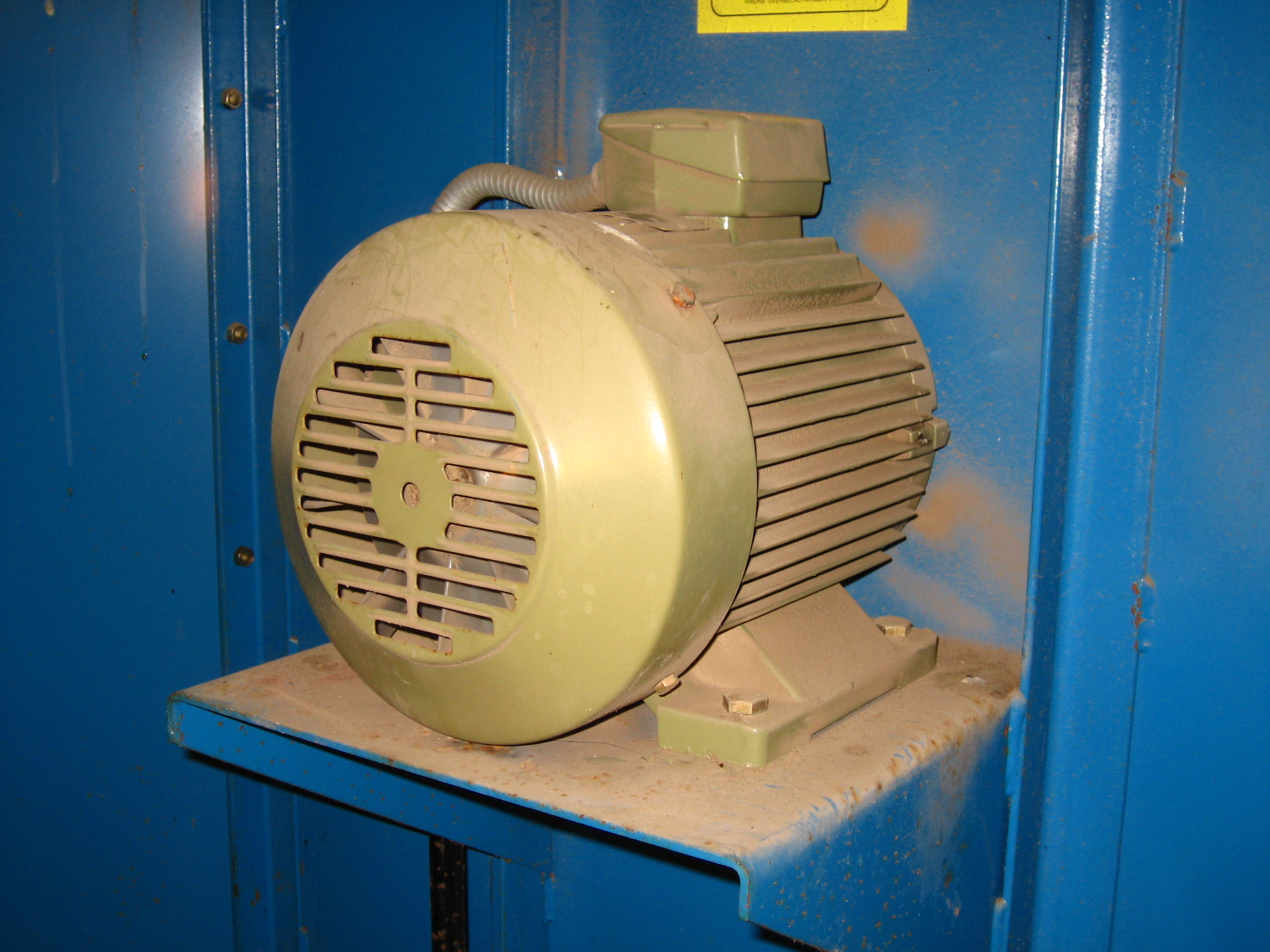
Illustrative photograph: an induction motor; its efficiency class is not identified. ZngZng / Wikimedia Commons, CC BY-SA 3.0.
