
Cold-chain quality also depends on handoffs between the factory, carrier and recipient. Waiting times and unclear responsibilities can create problems while the product has not yet been taken over by the next stage. Analysing cold-store performance alone leaves an incomplete picture.
FAO's presentation of the sustainable food cold chains report links refrigeration, food losses and environmental impacts. The reference encourages a view of the supply chain as a whole.
Follow a complete delivery
An internal review can reconstruct preparation, waiting, loading, travel and receipt. For each segment, it is useful to identify timings, required conditions and the responsible party. The approach must be consistent with the product's characteristics and food safety management system.
An editorial example is a delivery that arrives on time but waits a long time to be unloaded. Transport punctuality alone would not reveal the issue. Measurement needs to cover the service actually provided to the product.
Compare costs and outcomes
A logistics contract can clarify which evidence accompanies delivery and how anomalies are handled. Freight rates should be read alongside returns, disputes and lost product. The most visible saving on an individual step may be cancelled out by a poorly managed interface: for the company, continuity of the required conditions matters throughout the journey.
Sources and editorial transparency
Technical reference: FAO · Sustainable food cold chains, presentazione del rapporto 2022. Accessed on 24 October 2026. Examples and management observations are editorial analysis, not results from field tests.
Original article and English translation prepared with AI assistance. Technical and regulatory information should be read in the context of the source and the specific process.
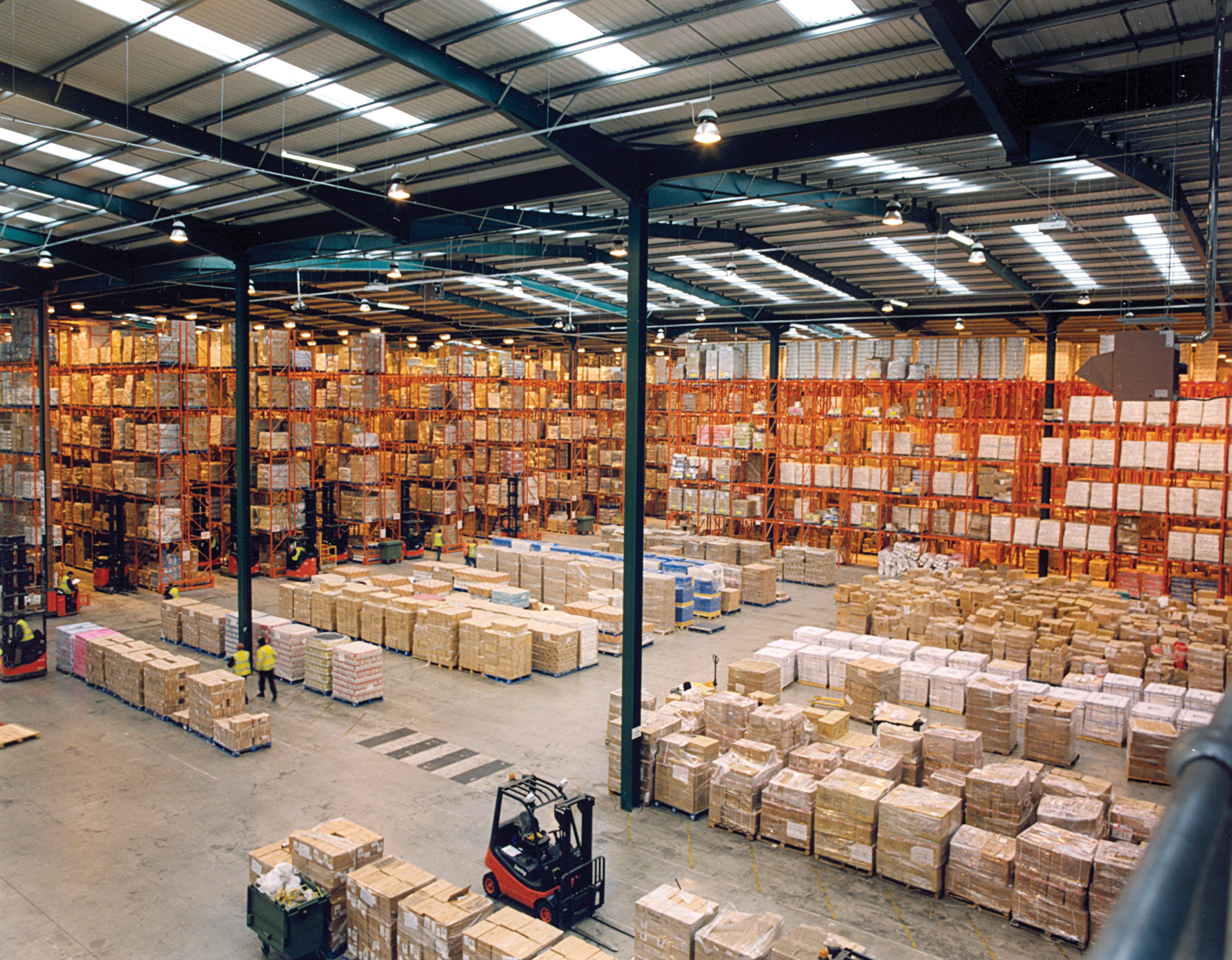
Illustrative photograph: Modern warehouse with pallet rack storage system.jpg, Axisadman; CC BY-SA 3.0. Display adapted to the page format; the photograph remains under the same licence.
