
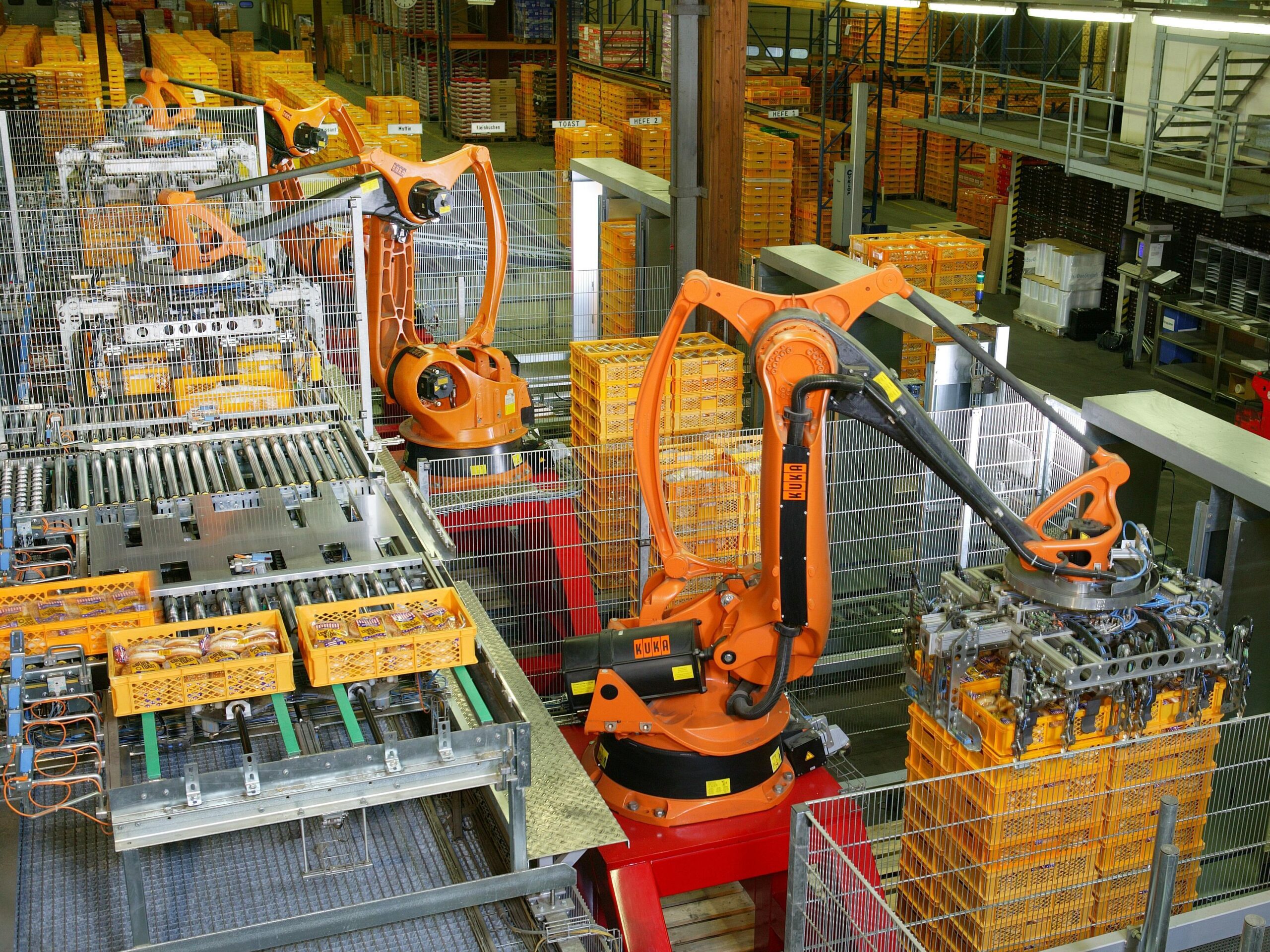
Start-up brings together activities that often belong to different suppliers: mechanical engineering, automation, material handling and supervisory software. Virtual commissioning makes it possible to prepare tests of operating logic using a representation of the plant. Its value depends above all on the quality of the test scenarios.
NIST describes digital twins as models to be verified and validated, with attention to data and their integration. This approach helps prevent a virtual demonstration from being mistaken for a complete assessment of the real machine.
Test what interrupts the flow, too
In the example of a conveyor between two machines, checking only the regular passage of parts leaves many questions unanswered. What happens if the sensor fails to detect a part? How does the sequence restart after a build-up? What information does the operator receive when a condition is not met?
Each test should have an expected outcome and an accountable person. Anomalies need to be linked to the programme and model version; otherwise, results become difficult to reproduce after a change.
What an early test is worth
An economic comparison can consider test hours moved outside the shutdown window and problems identified before assembly. It is not appropriate to attribute every improvement in start-up to software. Checks on the physical plant remain necessary, including the safety checks required for the specific machine. The model prepares the work; real commissioning verifies the actual conditions.
Sources and editorial transparency
Archive article originally published on 24 October 2026; English translation dated 27 October 2026. Technical reference: NIST — Digital Twins for Advanced Manufacturing, consulted for the original on 24 October 2026. Examples and management observations are editorial analysis, not field-test findings.
Original guide and English translation prepared with AI assistance. Technical and regulatory information should be read in the context of the source and the specific process.
Illustrative photograph: KUKA Roboter GmbH, Bachmann; Public domain. Display fitted to the page; the photograph’s status is unchanged.
