Using less material can reduce weight and resource requirements. If breakage or product losses increase, however, the initial benefit needs reassessment. Packaging should be analysed for its function throughout the supply chain, as well as for the amount of material it uses.
The European Commission presents the PPWR as a framework covering packaging design, prevention, reuse and recycling. This article addresses the industrial decision; specific obligations require checking against the relevant format and deadlines.
Test the full journey
A company's project should define the product to protect and the conditions the package encounters. Filling, handling, stacking and delivery may have different requirements. Alternatives should be compared using tests and acceptance criteria established before selection.
An editorial example is a lighter box that works in the warehouse but deforms during a logistics leg. A local result does not demonstrate the performance of the whole system.
Cost per delivered product
The economic assessment includes material, machinability, transport, rejects and damage. Lower weight remains a useful indicator, but does not complete the environmental or economic comparison. The strongest proposal makes trade-offs visible and demonstrates that the function is maintained. For Economind, good lightweighting means removing what is unnecessary after understanding what the package needs to do.
Sources and editorial transparency
Technical reference: European Commission · Packaging waste. Accessed on 24 October 2026. Examples and management observations are editorial analysis, not results from field tests.
Original article and English translation prepared with AI assistance. Technical and regulatory information should be read in the context of the source and the specific process.
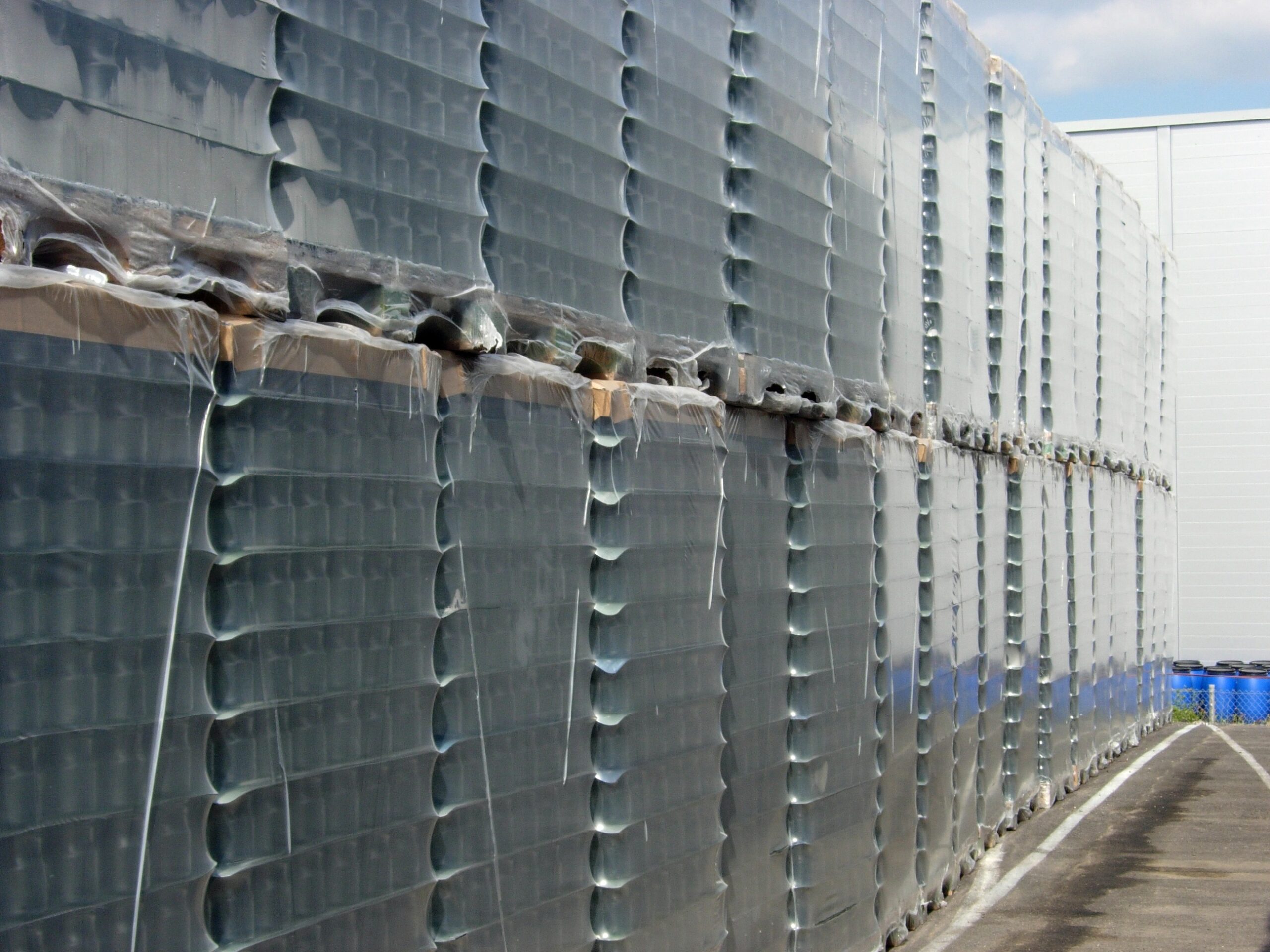
Illustrative photograph: Glass bottles.jpg, Samuli Lintula; CC BY 2.5. Display adapted to the page format; the photograph remains under the same licence.
